Phillip Timmins
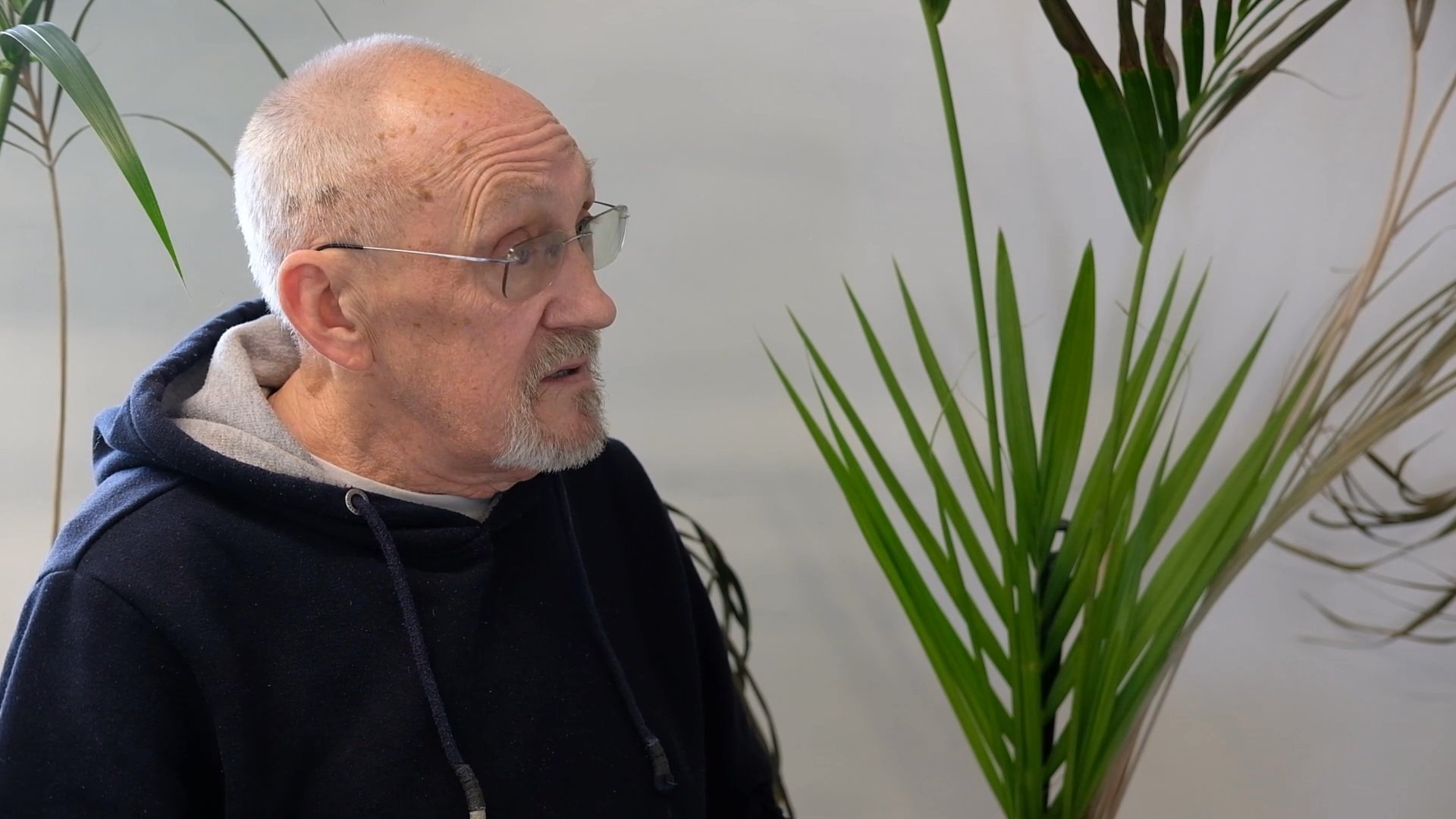
Philip Timmins lives and works in London; although retired, he continues to practice as a graphic designer/webmaster. Following graduation in 1970 from the Royal Academy of Dramatic Art (RADA), Philip joined the Traverse Theatre Workshop Company as a resident actor in Edinburgh and spent his time there performing and touring in the UK and Europe. In 1973, he moved to Amsterdam where he taught student theatre directors how to work with actors at the Theaterschool of Amsterdam.
Philip joined Gay Sweatshop Theatre company in 1976. Gay Sweatshop’s mission was ‘to counteract the prevailing perception in mainstream theatre of what homosexuals were like, therefore providing a more realistic image for the public and to increase the general awareness of the oppression of sexuality, both gay and straight, the impact it has on people’s lives and the society that reinforces it.’ (1975 Manifesto) Philip was a permanent member of Gay Sweatshop, performing, writing and directing productions; and touring throughout the UK and Europe with original and groundbreaking plays written by the company, cabaret shows and staging festivals of new writing.
In 1979 Philip co-wrote and directed the groundbreaking play Who Knows? for the Royal Court’s theatre season of plays titled ‘Youth and Sexuality’. The play dealt specifically with a gay teenage girl’s experience of coming out at school, and the reactions of one boy’s coming out to his best mate. It toured across Britain but was banned from most schools, although some schools were able to see it at The Royal Court theatre itself.
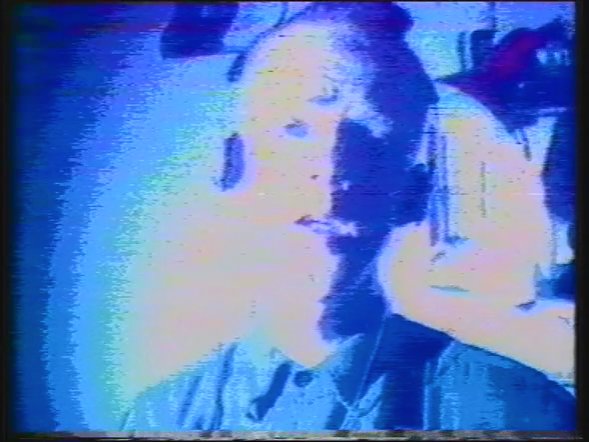
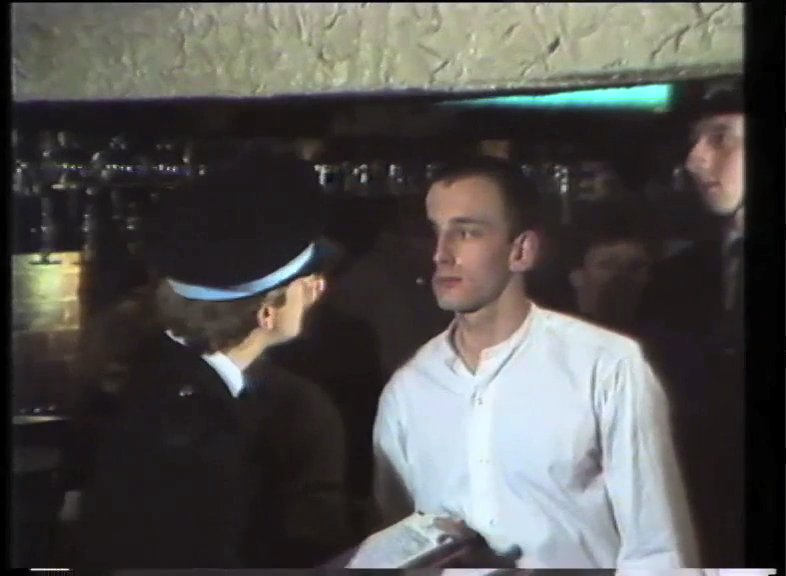
Philip continued performing and touring with Sweatshop until 1983, when together with Andy Lipman, he produced and edited Framed Youth: The Revenge of the Teenage Perverts created by the London Lesbian and Gay Youth Video Project, in which gay and lesbian teenagers interview straight people on the streets of London about their views on homosexuality and sharing their own experiences with each other of growing up as Lesbian and Gay. The project involved several members of the London Gay Teenage Group and won the prestigious Grierson Award for Best Documentary 1983 from the British Film Institute. The film was broadcast on Channel 4 in December 1986.
In 1985, Philip became Postgraduate Lecturer in Video Production at Goldsmiths, University of London, before moving on to become Senior Lecturer in Video and Media Production at the then Polytechnic of East London (now the University of East London).
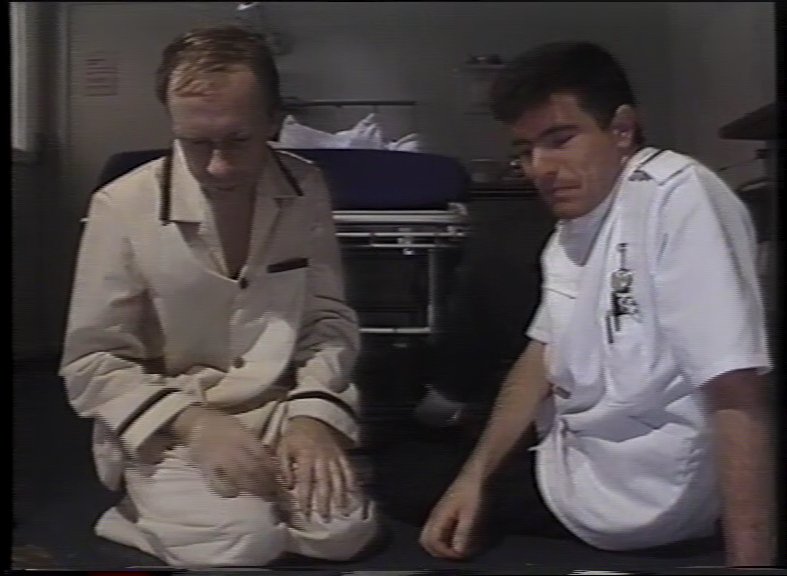
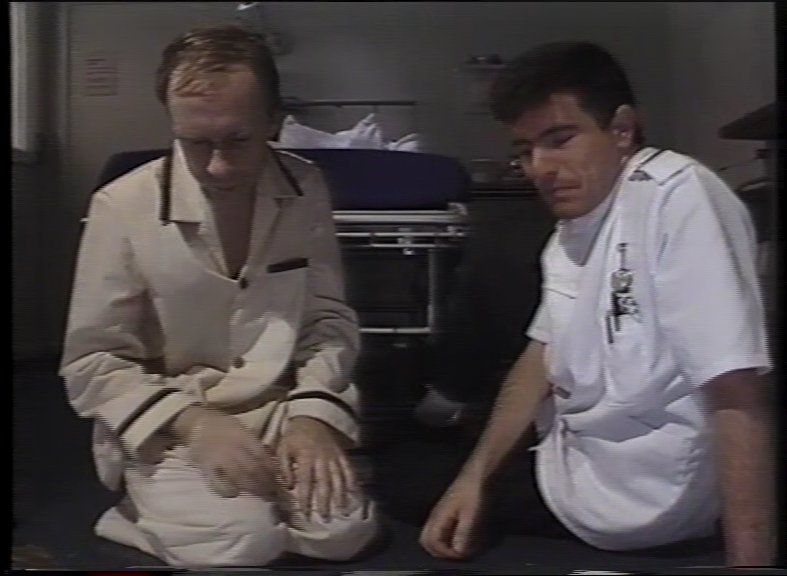
Again, with Andy Lipman, in 1986 Philip produced, filmed and edited ‘Compromised Immunity’, an adaptation of Andy Kirby’s play of the same name, produced by Gay Sweatshop for the Gay Times Festival in 1986. The film portrays Peter Dennett, a heterosexual male nurse, and Jerry Grimond, a gay man with AIDS who has lost his job, home and lover, and is dying alone in hospital. With their contrasting prejudices and assumptions about AIDS, sexuality, and one other, the patient-nurse relationship is tense and terse at first. But as Peter continues to care for Jerry in his final weeks of life, Jerry’s sense of alienation dissipates and a meaningful understanding emerges between the two. ‘Compromised Immunity’ was the first ever dramatisation of living and dying with AIDS.
Philip continued teaching at the University of East London until 2005 when he left to become a full-time freelance graphic designer. After a long and distinguished career in theatre, higher education and LGBTQ+ activism, Philip is retired and lives happily with his partner of 35 years, Sean Brady.