Fantasy Factory and Graft On!
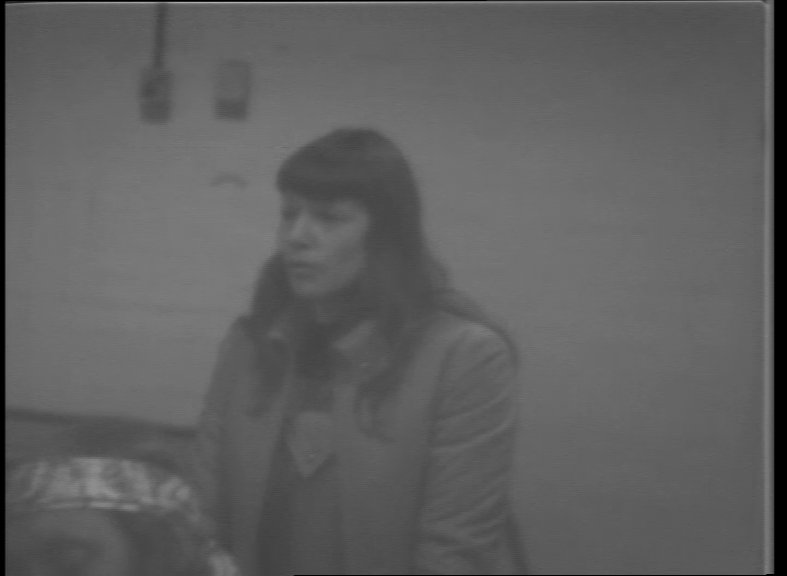
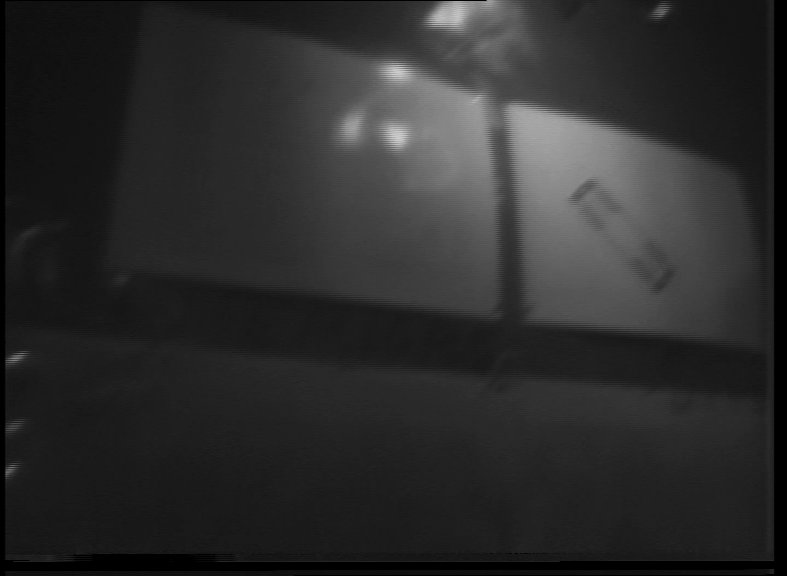
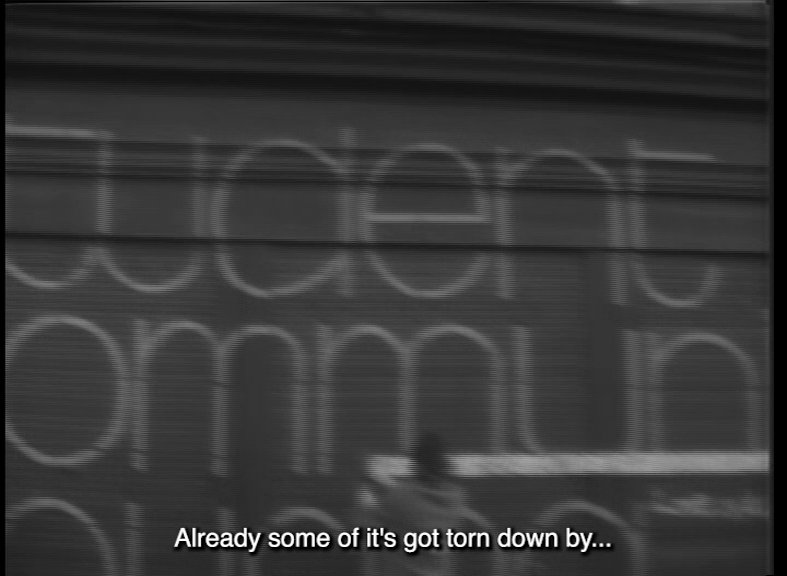
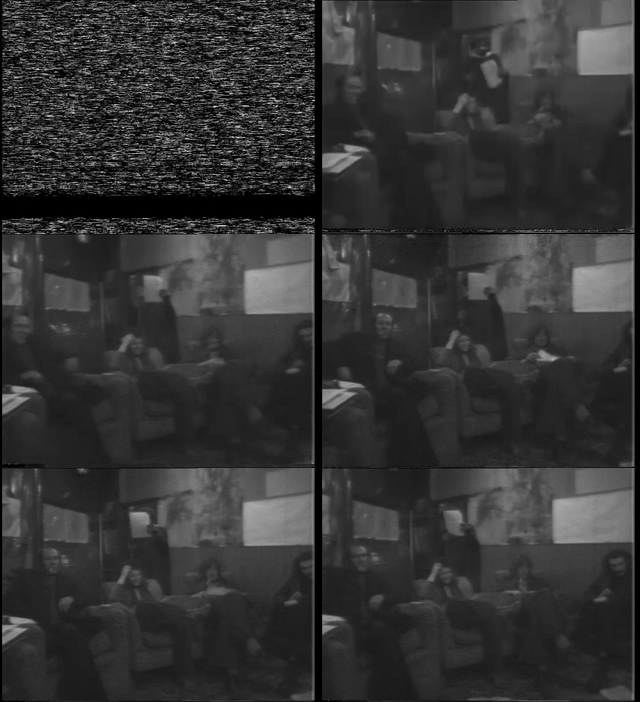
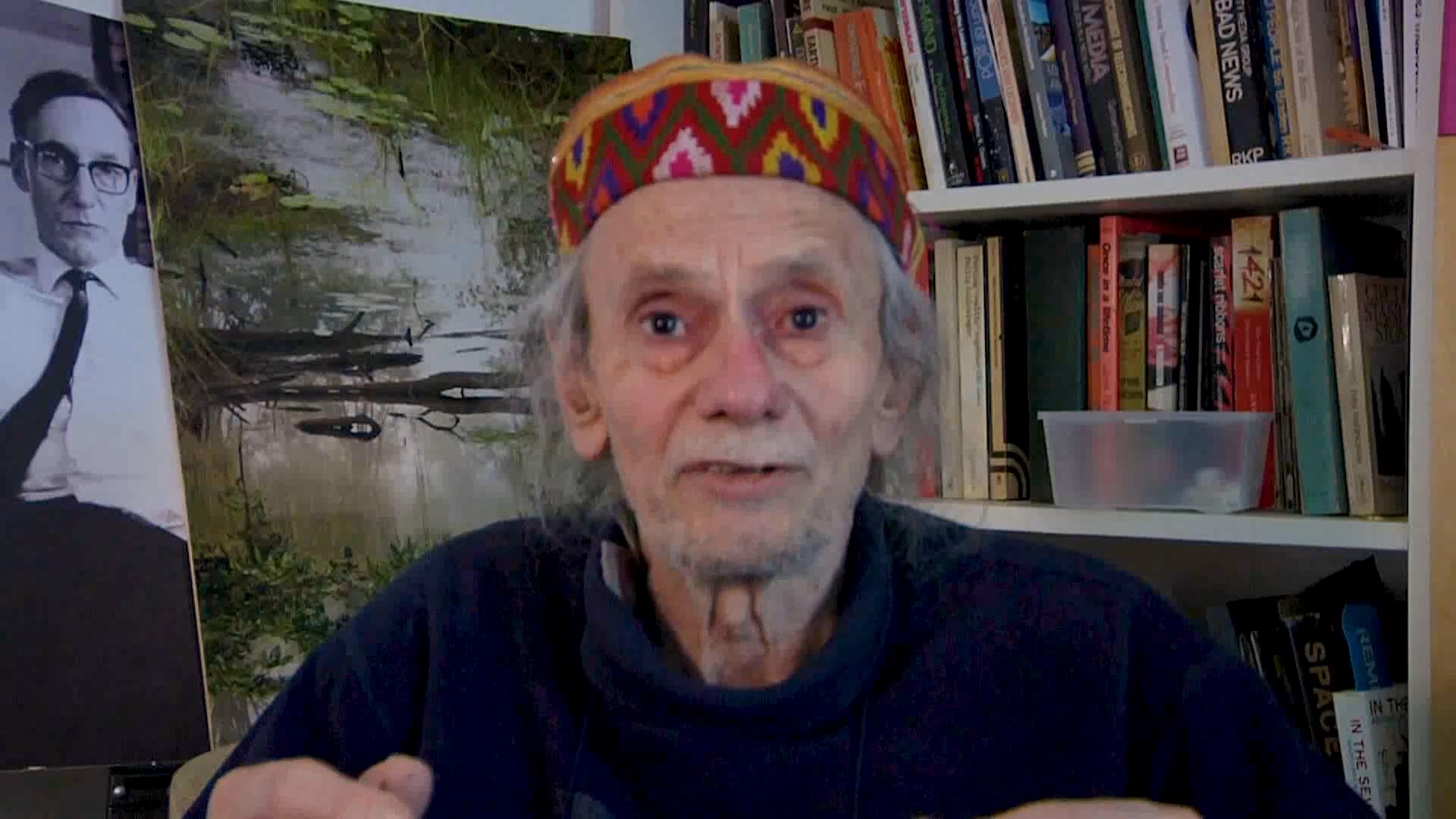
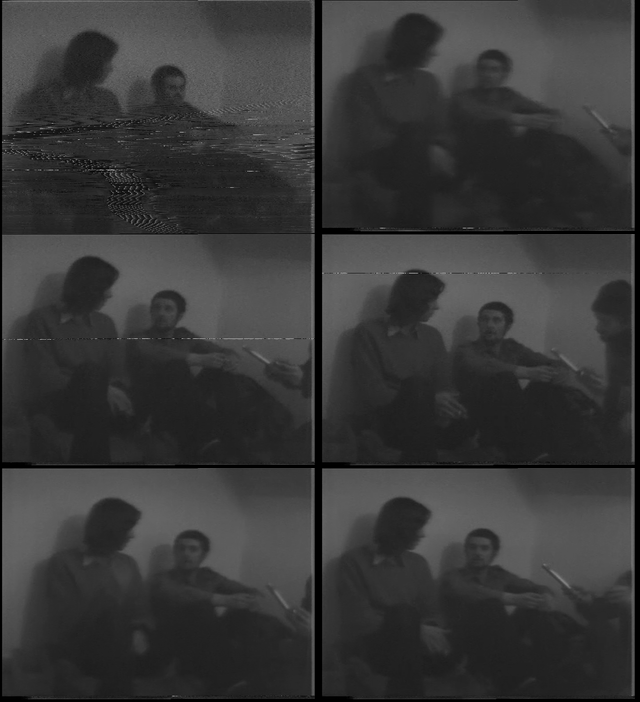
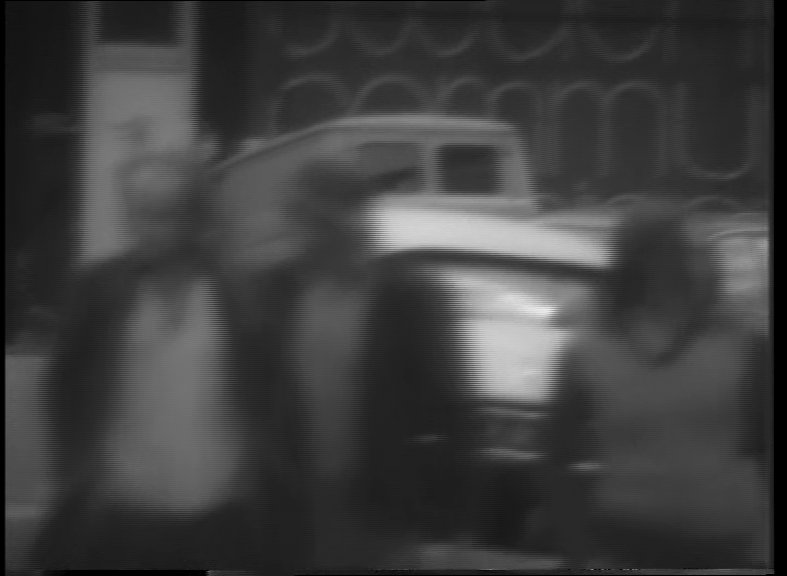
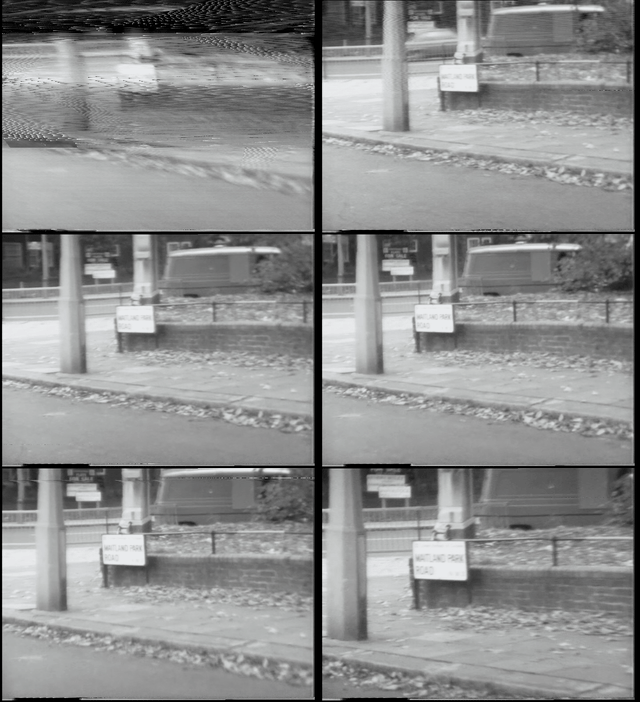
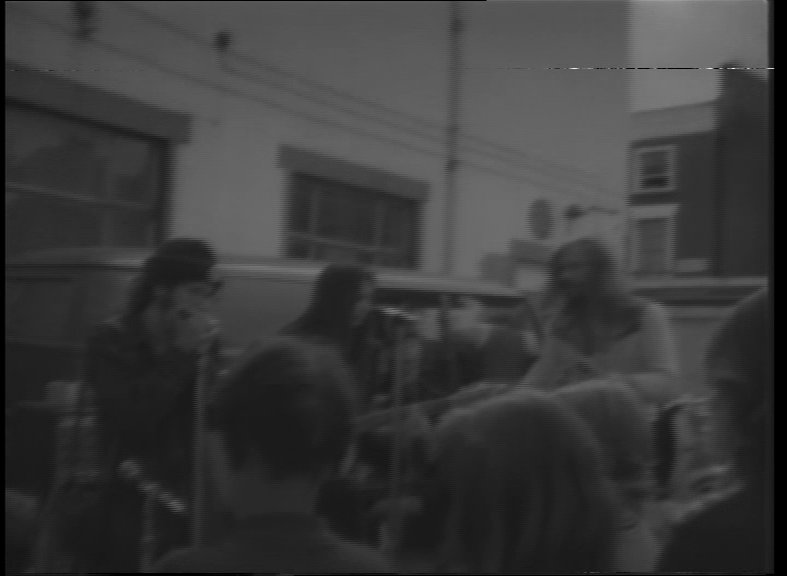
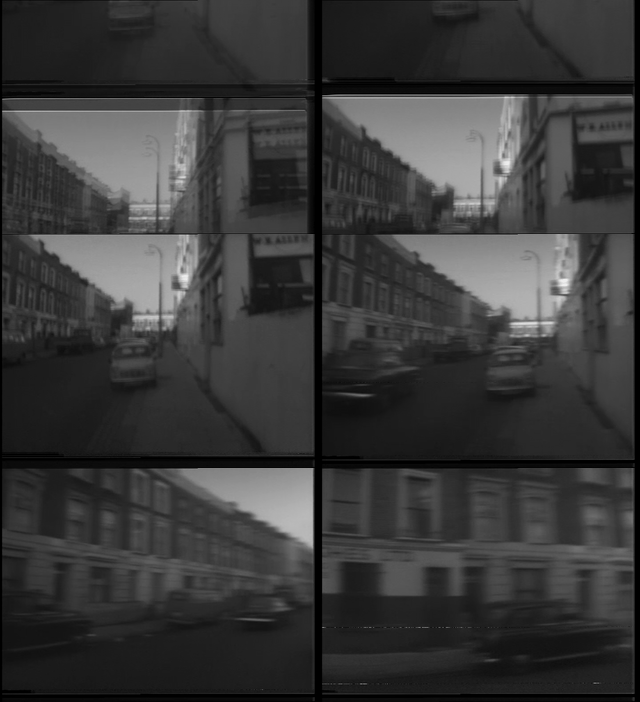
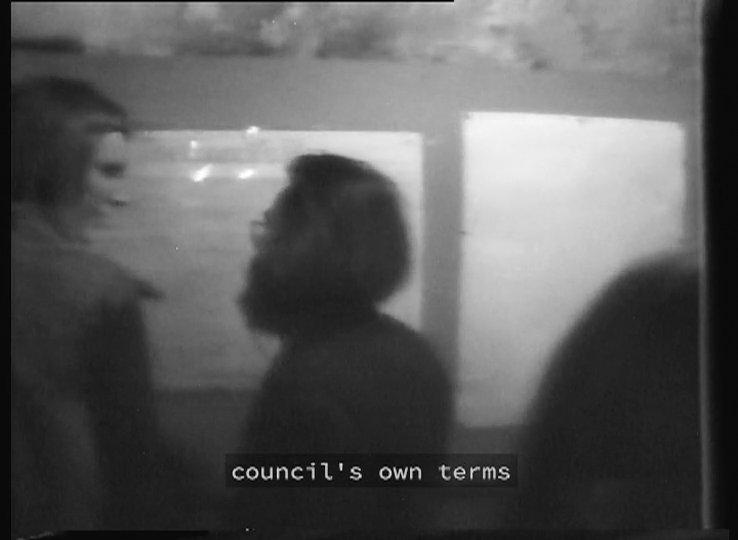
In the decade between 1968 and 1977 over a quarter of a million people in Britain legally squatted empty houses owned by someone else, without seeking permission and without paying rent. In the North London borough of Camden, residents who were squatting or living in houses as part of ‘short-life’ housing schemes were put at risk of being made homeless when the council began to purchase and empty these properties for regeneration projects or demolition. In 1974, a video of one these evictions, made by John ‘Hoppy’ Hopkins and his squatting counterpart Sue Hall, a neighbour and founder of activist group Graft On!, was both the first video to be used in court and the first domestically produced video to be shown on broadcast television. The black and white video is shot from street level, showing the ground floor of a large, crumbling semi-detached house, covered in graffiti.
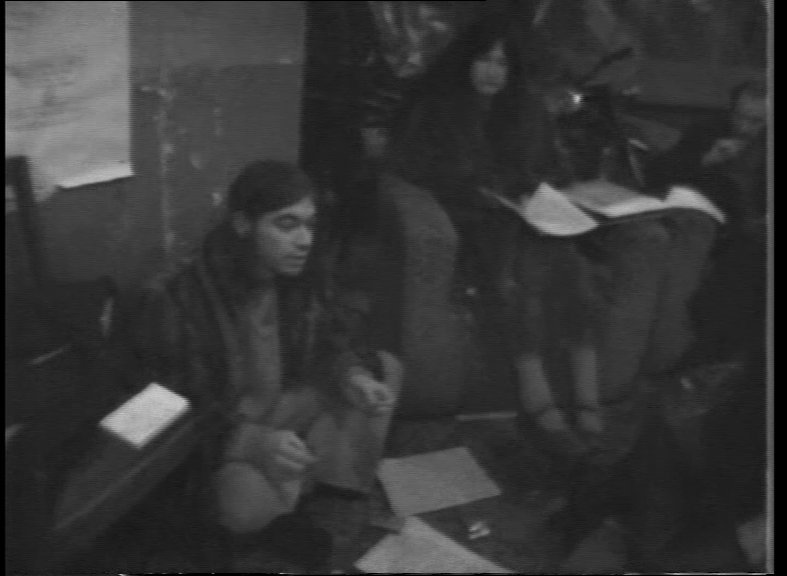
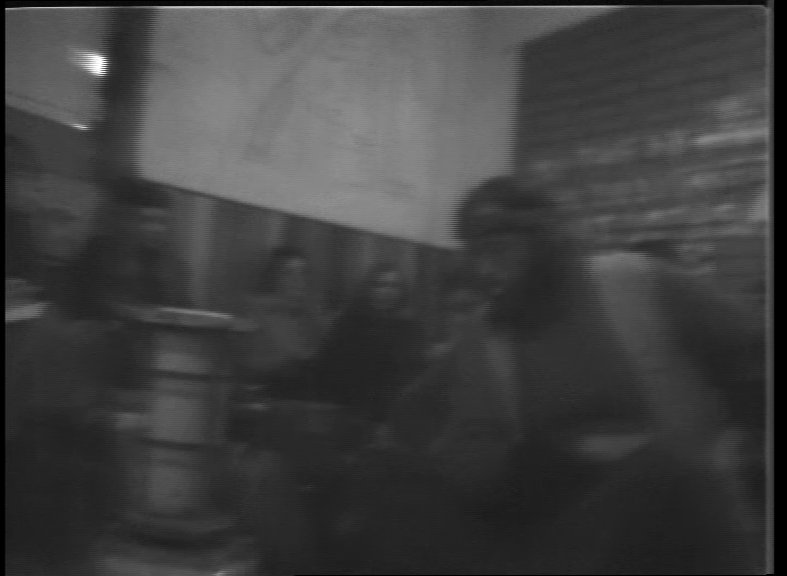
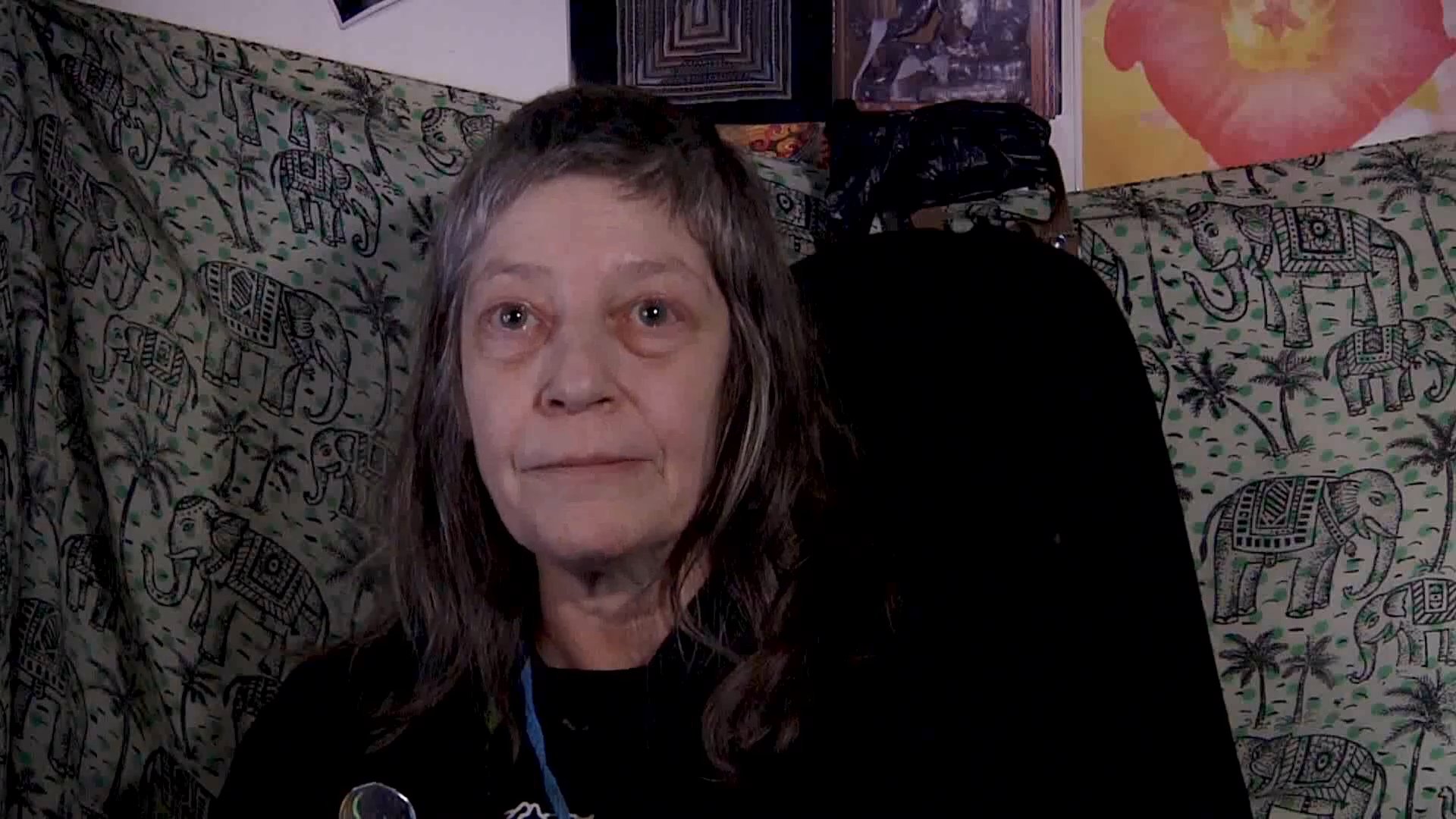
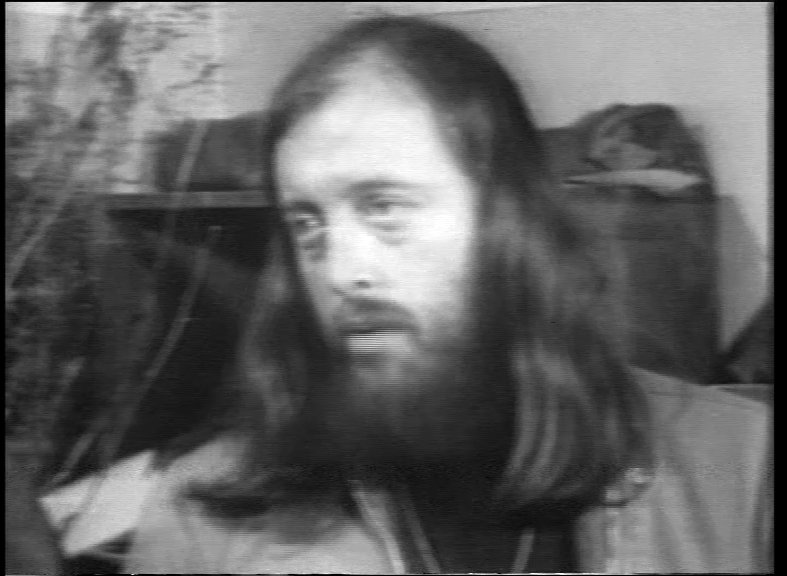
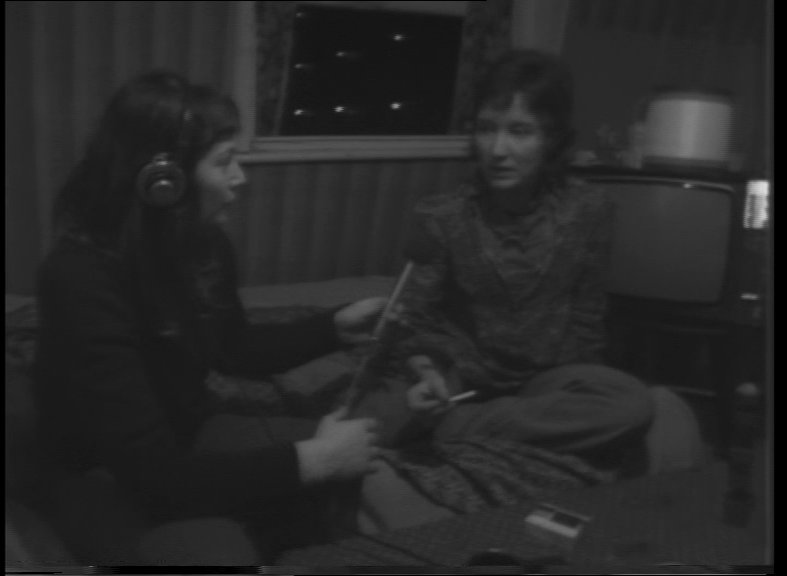
Sue Hall was living in short-life housing in North London when, in 1972, she began carrying out a number of experiments using video in the service of squatters and other residents like herself living in insecure housing conditions. Together, they formed the activist group Graft On!, with the urgent objective to resist the demolition of their neighbourhood in the name of redevelopment. The group took its name from the area its members lived in - Grafton Terrace, not far from the Institute for Research and Technology. In a document co-written by Hall and her collaborator John ‘Hoppy’ Hopkins, they describe the work of Graft On! as ‘communications research’, integrating video with ongoing grassroots activism: ‘An action research agency applying communication theory to social change.’Hall compared their use of video to the ethnographic research method known as ‘participant observation’ to explain how, through the shared production of videos, they were able to engage with residents with on local issues, to whose experiences they directly related.